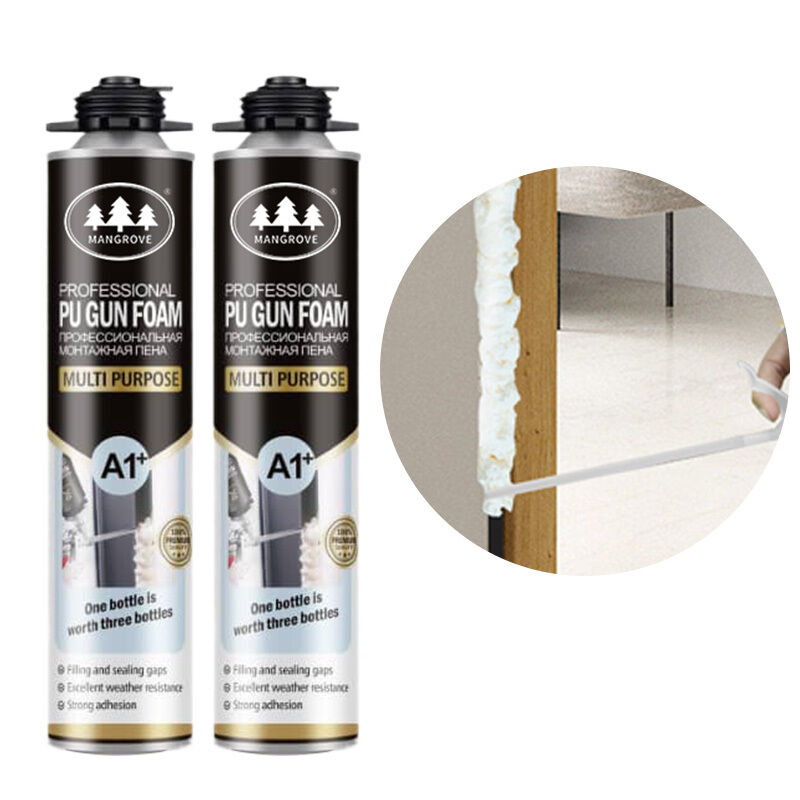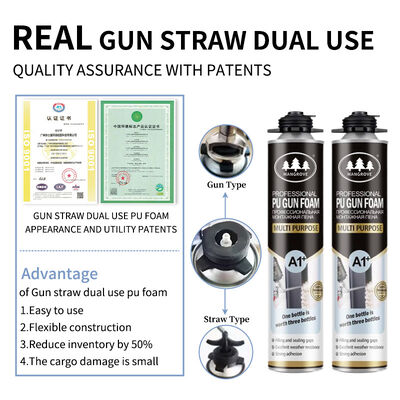
Foam adhesive, a versatile and practical bonding material with a wide range of uses, is extensively applied in numerous fields such as construction engineering, home decoration, automotive manufacturing, packaging industry, and electronic product assembly, thanks to its unique and comprehensive performance advantages. It exhibits excellent adhesion to a diverse array of substrates, including but not limited to wood, metal, plastic, glass, concrete, ceramic, and stone, enabling it to form a firm, stable, and long-lasting bond even in harsh working environments such as high temperature, low temperature, high humidity, and outdoor exposure. Meanwhile, its lightweight and low-density characteristics not only help reduce the overall weight of the bonded products without compromising their structural stability but also bring great convenience to transportation and construction. In addition, foam adhesive possesses superior thermal insulation, sound insulation, and shock absorption properties; it can effectively fill irregular gaps, seal leaks, isolate external temperature changes and noise pollution, and even play a certain role in waterproofing and corrosion resistance. These outstanding characteristics make it an ideal choice for both large-scale industrial production and daily home use, solving various bonding, sealing, and protection problems in different scenarios.
2. Features
Strong Adhesion: Foam adhesive has extremely high bonding strength and excellent compatibility with most common materials in daily life and industrial production. Whether it is porous materials such as wood and foam, or smooth materials such as metal and glass, it can form a tight and firm bond, which is not easy to fall off, loosen or crack even after long-term use or under external impact, ensuring the stability and reliability of the bonded parts.
Gap-Filling Ability: One of the most prominent features of foam adhesive is its excellent gap-filling performance. After being applied, it can expand moderately within a certain range, which allows it to perfectly fill irregular gaps, uneven surfaces, and even tiny cracks of different sizes. This not only ensures full contact between the adhesive and the substrate, enhancing the bonding effect, but also avoids the problem of loose bonding caused by incomplete contact, making the bonding more tight and stable.
Lightweight and High Efficiency: Compared with traditional bonding materials such as cement and epoxy resin, foam adhesive has the advantages of low density and light weight. When used in bonding and filling, it will not add excessive weight to the bonded objects, which is particularly important for products that require weight control, such as automotive parts and electronic products. In addition, its construction process is simple and fast; it can be applied directly through a spray gun or manual extrusion, and it cures quickly, greatly shortening the construction cycle and improving work efficiency.
Multi-Functional Protection: Foam adhesive is not only a bonding material but also a multi-functional protective material. It integrates multiple functions such as thermal insulation, sound insulation, shock absorption, and waterproof sealing. Its closed-cell structure can effectively block the transmission of heat, reducing energy loss; it can also absorb sound waves, reducing noise pollution; at the same time, it has good shock absorption performance, which can buffer external impact and protect fragile parts. In addition, it can form a tight seal, preventing the intrusion of water, dust, and other impurities, providing comprehensive protection for the bonded parts.
Good Weather Resistance: Foam adhesive has strong adaptability to the external environment and excellent weather resistance. It can resist extreme temperatures (ranging from -40℃ to 80℃ in general), and is not easy to deform, crack or lose performance under high temperature, low temperature, or alternating cold and heat conditions. It can also resist the erosion of humidity, rainwater, ultraviolet radiation, and other factors, maintaining stable bonding and protection performance for a long time, making it suitable for both indoor and outdoor use.
3. Applications
Construction Industry: Foam adhesive is widely used in various links of construction engineering. It is mainly used for bonding and sealing of doors and windows (including wooden doors, plastic doors, aluminum alloy doors and windows), filling gaps between walls and decorative materials (such as ceramic tiles, wallpaper, and decorative panels), bonding thermal insulation boards (such as polystyrene boards, rock wool boards) to walls and roofs, and sealing roof joints, wall cracks, and pipeline interfaces. These applications not only enhance the bonding firmness of building components but also achieve good thermal insulation, waterproof, and sound insulation effects, improving the energy-saving performance and living comfort of buildings.
Home Decoration: In home decoration, foam adhesive is an essential auxiliary material. It is widely applied to the installation of skirting lines, ceiling panels, wooden furniture, decorative panels, and wall stickers, as well as filling gaps in cabinets, wardrobes, bookcases, and other furniture. It can not only ensure the firm installation of decorative parts and furniture but also fill the gaps between components, avoiding the accumulation of dust and water, enhancing the overall aesthetics and tightness of the decoration, and making the home environment more tidy and comfortable.
Automotive Manufacturing: In the automotive manufacturing industry, foam adhesive plays an important role in interior assembly and body sealing. It is used for bonding automotive interior parts such as door panels, dashboards, ceiling linings, seat cushions, and sound insulation cotton, as well as sealing the body, door gaps, window gaps, and pipeline interfaces. Its lightweight, shock absorption, and sound insulation properties can effectively reduce the weight of the car body, reduce the noise inside the car, and improve the comfort and safety of the car. At the same time, its good adhesion and weather resistance can ensure the stability of automotive parts during long-term use.
Packaging Industry: Foam adhesive is widely used in the shockproof packaging of fragile products due to its excellent shock absorption performance. It is mainly used for the packaging of glassware, ceramic products, electronic products (such as mobile phones, computers, and cameras), precision instruments, and other fragile and high-value products. When used, it can be sprayed or extruded around the product to form a protective layer, which can effectively absorb the impact force during transportation and storage, reduce the damage caused by collision, vibration, and extrusion, and ensure the safety of the product.
Other Fields: In addition to the above fields, foam adhesive is also widely used in many other industries and daily life. In the electronic industry, it is used for bonding and fixing electronic components, sealing electrical enclosures, and filling gaps between circuit boards to prevent dust and water intrusion and ensure the normal operation of electronic products. In the repair and maintenance field, it is used for repairing daily necessities such as furniture, appliances, and toys, solving the problem of loose or damaged parts. It is also used in the aerospace, shipbuilding, and other industries for bonding and sealing of related components, showing its strong versatility and wide application prospects.