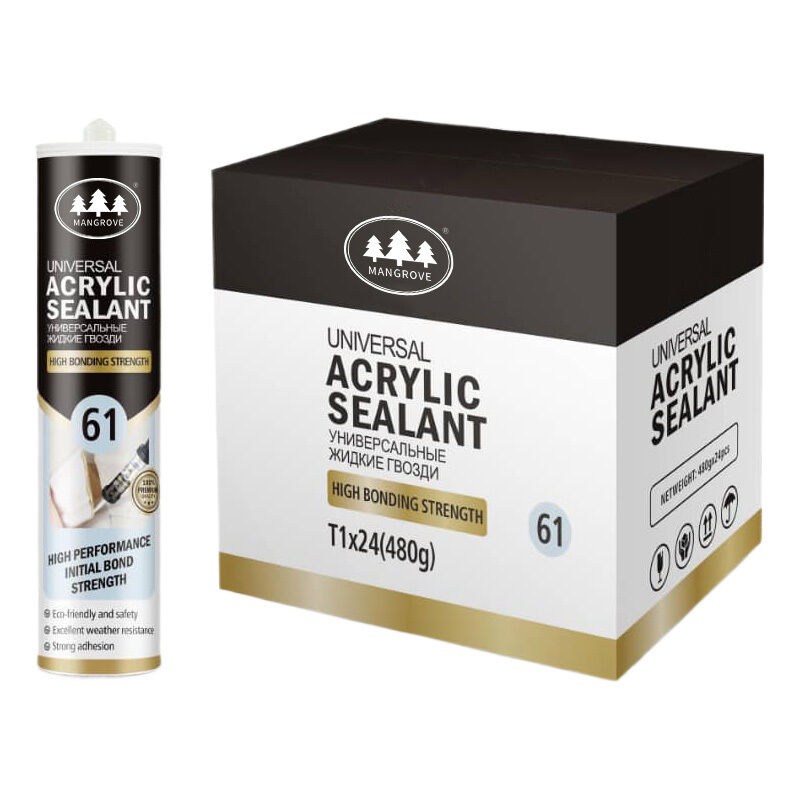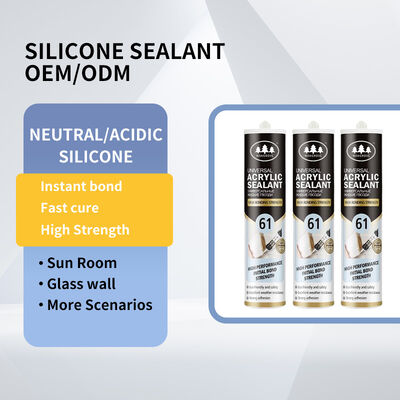
Neutral silicone sealant is a high-performance, versatile sealing material specifically engineered to meet the diverse needs of indoor and outdoor applications across multiple industries, including construction, automotive manufacturing, industrial production, and household renovations. Unlike acidic silicone sealants, it possesses a range of core selling points that make it a preferred choice for both professional contractors and everyday users. Firstly, it cures through a neutral reaction, releasing non-corrosive byproducts such as alcohol or oximes rather than corrosive acetic acid, which ensures it is completely safe for use on sensitive substrates—including various metals (aluminum, stainless steel, copper), electronic components, glass, natural stone (marble, granite), ceramic tiles, and painted surfaces—without causing discoloration, corrosion, or surface damage. Secondly, it exhibits exceptional adhesion capabilities, forming a strong, durable, and non-shrinkable bond with a wide spectrum of materials, from porous surfaces like concrete, brick, wood, and mortar to smooth surfaces such as tempered glass, PVC, acrylic, and metal alloys, eliminating the need for additional primers in most scenarios. Additionally, this sealant features low odor during the curing process, making it suitable for indoor use in confined spaces like bedrooms, living rooms, and kitchens. After curing, it maintains excellent flexibility, allowing it to accommodate structural movement, thermal expansion, and contraction caused by temperature fluctuations, without cracking or losing its sealing performance. It also boasts strong resistance to harsh environmental factors, including UV radiation, extreme temperatures (ranging from -40°C to 150°C in some high-temperature variants), rain, snow, humidity, and chemical erosion, ensuring long-term reliability in diverse harsh environments—from high-rise building curtain walls and outdoor roofing joints to bathroom and kitchen waterproofing, as well as precision industrial equipment and automotive electronics sealing[4][5][8].
Features
Non-corrosive curing mechanism: It cures by releasing neutral byproducts (alcohol or oximes) instead of acetic acid or other corrosive substances, making it highly safe for delicate and sensitive materials such as electronic components, decorative metals, and painted surfaces. Unlike acidic sealants, it produces no unpleasant vinegar-like odor during curing, creating a more comfortable construction environment and avoiding potential damage to surrounding materials[4][8][9].
Superior and versatile adhesion: It bonds firmly and reliably to a wide variety of substrates, including glass, various metals (aluminum, stainless steel, brass), concrete, mortar, wood, plywood, plastics (PVC, acrylic, ABS), enamel, laminated surfaces, and natural stone. In most cases, it can achieve strong adhesion without the need for primers, simplifying the construction process and reducing additional costs, while ensuring a tight and long-lasting seal[4][5].
Excellent durability and weather resistance: This sealant is designed to withstand the harshest environmental conditions, including prolonged UV exposure (which prevents yellowing, cracking, or brittleness), extreme temperature changes (from -40°C to 120°C for standard variants, and up to 150°C for high-temperature resistant models), frequent freeze-thaw cycles, heavy rain, high humidity, and even mild chemical exposure. In architectural applications, it can maintain stable performance for 15-20 years, reducing the need for frequent maintenance and replacement[4][7][10].
High flexibility and low shrinkage: After full curing, it retains excellent flexibility with a high elongation rate, enabling it to adapt to structural movement, thermal expansion, and contraction of building materials or industrial components without cracking, peeling, or separating from the substrate. Its low shrinkage rate (usually less than 3%) ensures that the sealant fills gaps completely and maintains a seamless, tight seal, effectively preventing water, air, or dust infiltration[4][7].
Waterproof, mildew-resistant, and dust-proof: It forms a dense, impermeable waterproof barrier that effectively blocks water infiltration, making it ideal for wet environments such as bathrooms, kitchens, balconies, swimming pools, and outdoor roofing joints. It also has inherent mildew-resistant properties, inhibiting the growth of mold, mildew, and bacteria in humid conditions, keeping the sealed area clean and hygienic. Additionally, it can effectively prevent dust and debris from entering gaps, protecting the integrity of the sealed components[5][9].
Broad compatibility and multi-scenario adaptability: It is suitable for both indoor and outdoor use, compatible with most common building materials and industrial components. Its versatility makes it applicable to a wide range of scenarios, from large-scale professional construction projects (such as glass curtain walls, bridge expansion joints, and industrial equipment sealing) to small-scale household maintenance tasks (such as window and door sealing, sink installation, and bathroom tile joint sealing). It can also be used in special fields such as automotive electronics, marine equipment, and precision instrument sealing[5][8][10].
Easy to apply and tool: It has a smooth, consistent texture that allows for easy extrusion and application using a caulking gun, and it can be tooled into a neat, uniform shape before curing, ensuring a professional and aesthetically pleasing finish. It cures at room temperature, with a surface curing time of 15-30 minutes and full curing time of 24-48 hours (depending on temperature and humidity), improving construction efficiency[4][9].
Applications
Architectural and construction applications: This is the most common application field of neutral silicone sealant. It is widely used for sealing glass curtain walls (including structural glazing systems), window and door perimeters (filling gaps between frames and walls to prevent air and water infiltration), expansion joints and contraction joints in concrete structures, pavements, and bridges (accommodating structural movement), facade systems (sealing joints between panels, stone, and metal cladding), hollow glass secondary sealing (ensuring thermal insulation and waterproof performance), and joints of building elements made of concrete, wood, metals, and synthetic materials. It is also used for sealing roofing joints, skylights, and exterior wall gaps to enhance the building’s waterproof and energy-saving performance.
Household and interior decoration applications: In home renovations and daily maintenance, it is used for sealing gaps around windows, doors, and window sills; waterproof sealing of bathroom tiles, bathtubs, showers, and sinks; sealing of kitchen countertops, backsplashes, and cabinet gaps; and sealing of air conditioning pipes, water pipes, and electrical conduits to prevent water leakage and air leakage. Its low odor and non-corrosive properties make it suitable for indoor use in bedrooms, living rooms, and children’s rooms.
Automotive and transportation applications: It is used in automotive manufacturing and maintenance for sealing automotive glass (windshields, rear windows, side windows), door and trunk gaps, engine compartments, and electronic components (such as sensors and connectors) to prevent water, dust, and noise from entering the vehicle. It is also suitable for sealing marine equipment (ships, yachts) to resist seawater corrosion and harsh marine environments, as well as railway vehicle components to ensure long-term reliability under vibration and temperature changes.
Industrial and manufacturing applications: In industrial production, it is used for sealing precision equipment (such as electronic instruments, meters, and sensors) to protect internal components from dust, moisture, and chemical erosion; sealing pipelines, valves, and flanges in chemical plants, power plants, and water treatment facilities (resisting mild chemical corrosion and high or low temperatures); and sealing joints of plastic products, metal components, and composite materials in the manufacturing of household appliances, machinery, and electronic products.
Special and professional applications: It is used in the aerospace industry for sealing small components of aircraft and spacecraft (with high-temperature and high-pressure resistance); in the solar energy industry for sealing solar panels and mounting brackets (resisting UV radiation and outdoor weathering); and in the medical equipment industry for sealing non-contact medical devices (with non-toxic and non-corrosive properties).